Compost and composting
In this guide, Dan Ori MCIHort explains how to choose commercially produced compost and how to make compost in a community garden or at home. This content was presented as part of a workshop at Seaford Community Garden, supported by the Ouse Valley Climate Action Fund.
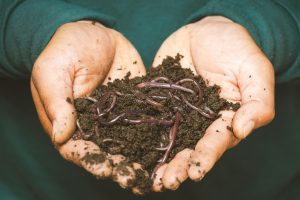
What is compost?
In the UK, compost refers to garden compost (made in a heap or bin) or commercially produced compost (the type we buy from the garden centre or nursery).
Commercially produced compost: manufactured from controlled blends of organic materials. Usually produced at much higher temperatures (hot composting), which means it’s sterilised to remove weeds and pests.
Home compost: usually produced at lower temperatures (cold composting), which means it might contain weed seeds and roots, but it’s usually much richer in nutrients and beneficial microbes.
Choosing commercially produced compost
If you visit your local garden centre, you’ll find dozens of different types of compost, at different prices. However, there are really only 2 types of compost you need for most purposes:
Seed and cutting compost: this is a finely textured compost, and has a low nutrient level. High nutrient levels in compost can inhibit germination of some seeds. It can be difficult to find peat-free versions, so you can substitute spent (used) compost or even sweepings from the potting shed floor. Just make sure you sieve it to remove larger pieces and clumps.
Multipurpose compost: this is a general purpose compost and can be used for almost everything else.
Peat: the extraction of peat for gardening causes huge environmental and climate damage. Despite, this, you can still find peat compost for sale. When buying compost, always choose peat-free, and check the packet – which should say that your compost is ‘peat-free’.
Source: always buy your compost from a reputable supplier. This should ensure that it doesn’t contain weeds, seeds and roots – and also that it’s been tested for E. Coli (known as the p100 test). Free compost from local authorities can contain weed seeds, so bear this in mind.
Dan’s Quick Guide to Home Composting
Three common home composting systems are: the 3-bay compost system, compost tumblers, and compost ‘Daleks’. These are all ‘cold’ composting systems.
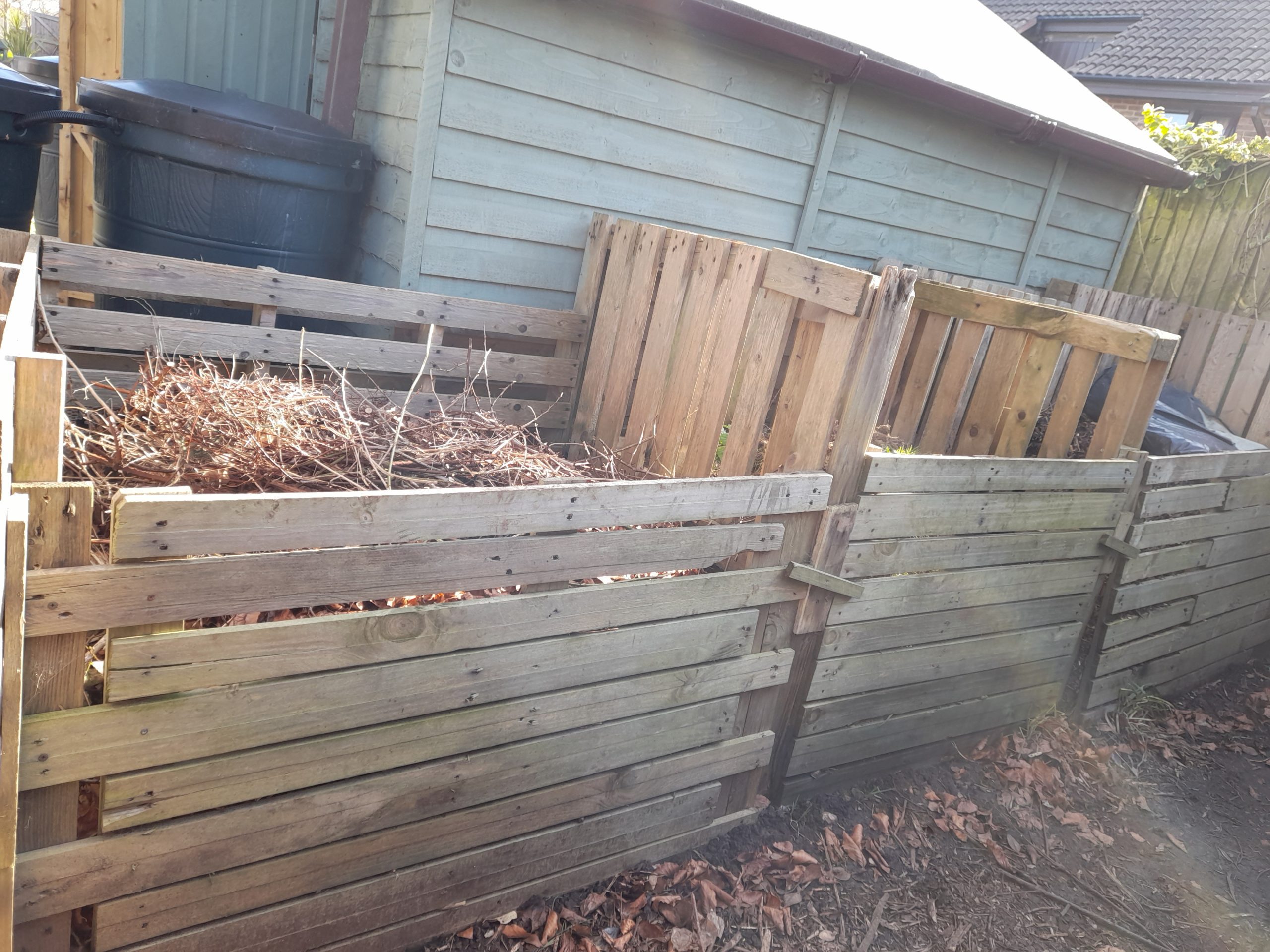
3-Bay Compost System
One of the best methods for high-quality garden compost. However, it does require more space than other systems
- The bays can sit directly on the soil, allowing beneficial organisms from the ground to aid decomposition and allowing liquids to soak away into the soil.
- Use a ratio of 2 parts ‘brown’ material (e.g. cardboard, finely cut twigs) to 1 part ‘green’ material (e.g., leaves and prunings, grass clippings).
- Fill one bay with fresh compostable materials and leave it for 3 to 6 months.
- After this period, turn the compost into the second bay and leave it for another 3 to 6 months.
- Finally, move the compost into the third bay to mature before using it.
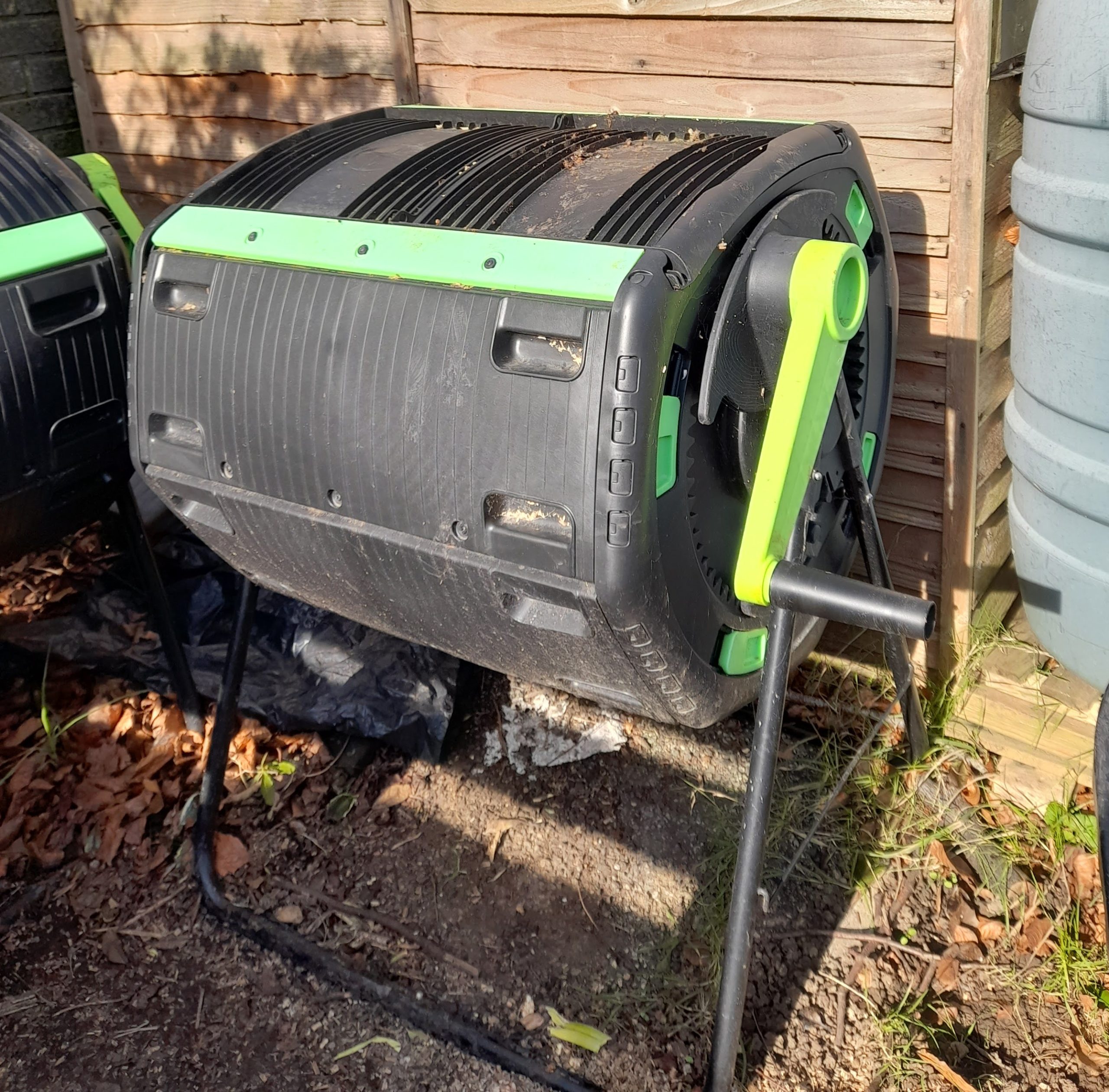
Composting Tumblers
Enclosed bins that you rotate to keep your compost aerated and speed up decomposition.
- Use a 50:50 mix of brown and green materials.
- Good for composting fruit and vegetable scraps from your kitchen, but avoid cooked food, citrus peels, and banana skins.
- In theory, this method works faster than other systems, but only if you stay on top of turning it.
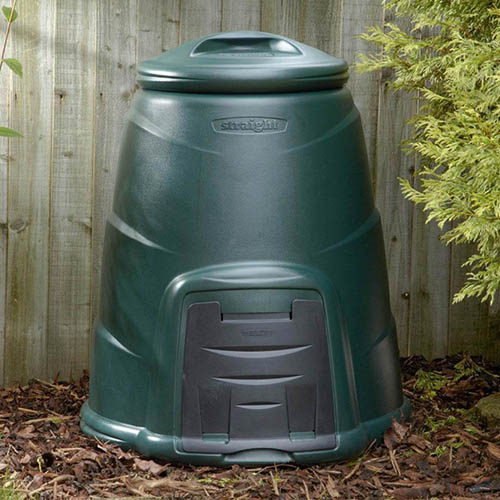
Compost 'Daleks'
Enclosed bins which are useful for small spaces.
- Use a 50:50 mix of brown and green materials.
- The compost should, in theory, break down and be removable from the hatch at the bottom.
- In practice, turning the compost is still necessary to help it decompose evenly. You might therefore need two bins, so you can turn one out into the other to rot down thoroughly.
Composting top tips:

Always avoid cooked food (which can lead to vermin, or disease) as well as citrus fruits and bananas (which break down very slowly)

Wood chip can be a very good addition to compost – make sure it’s disease free, and ideally let it rot down for at least 3 weeks before adding to your compost.

Avoid evergreen leaves – and woodchip from evergreen trees – as these rot down very slowly.

Deciduous leaves are best composted separately as leaf mould – put in a spare compost bay, wire mesh cage, or black bin liner punched with a few holes. Leave for at least 2 years. It can then be mixed into compost or used as a mulch.
To learn more about composting, Dan recommends:
- How to feed a plant (YouTube guide)
- 7 Easy Ways to Accelerate the Composting Process (Horticulture Magazine)
- Compost versus Soil (Horticulture Magazine)