Creating mini meadows – a biodiversity quick fix
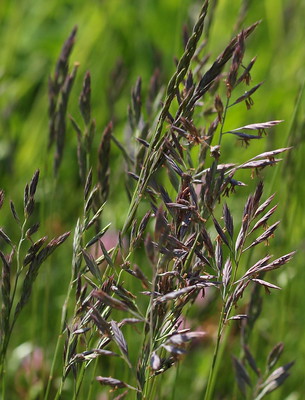
One of the simplest and cheapest ways to increase biodiversity in most green spaces is by allowing some grass to grow longer. There are a few key principles and considerations which we’ve outlined below. We’ve based this guidance mostly on research by Adrian Thomas, gardening writer & author of RSPB Gardening for Wildlife, research by the University of Sussex, and case studies in Seaford.
Adrian’s research in based around gardens, but the same principles apply for public spaces and community gardens. The main differences will be a) that you will be working with councils and contractors, and may not have the same level of control and b) public opinion and use of the area is more important. Our thanks to Adrian for allowing us to reproduce his materials.
Jump to Adrian Thomas: how to make and maintain a mini-meadow on YouTube
What a meadow isn’t:
But first of all, we’re not talking about cornfield annual meadows or pictorial meadows. These are the colourful swathes of flowers you see sometimes on roundabouts or in parks. Cornfield annuals are beautiful, and can be good for pollinators, but this is a much more labour-intensive process. Think of this as a flowerbed rather than a meadow and you’ll get the idea. To create a cornfield annual meadow you need to strip any existing turf, clear and dig over the soil and sow the seed. The following year you’ll need to dig and clear the soil again, and reseed. This needs to be repeated every year. Seed mixes often contain exotic species – ie these are not native wildflowers. When you see these patches of cornfield annuals they’re often created and managed by paid contractors, rather than volunteer groups. However, this doesn’t mean you should rule them out. Some groups in Sussex have told us it’s been useful having small areas of pictorial meadows as a way to engage the public and create something beautiful for people to look at.
Perennial meadows:
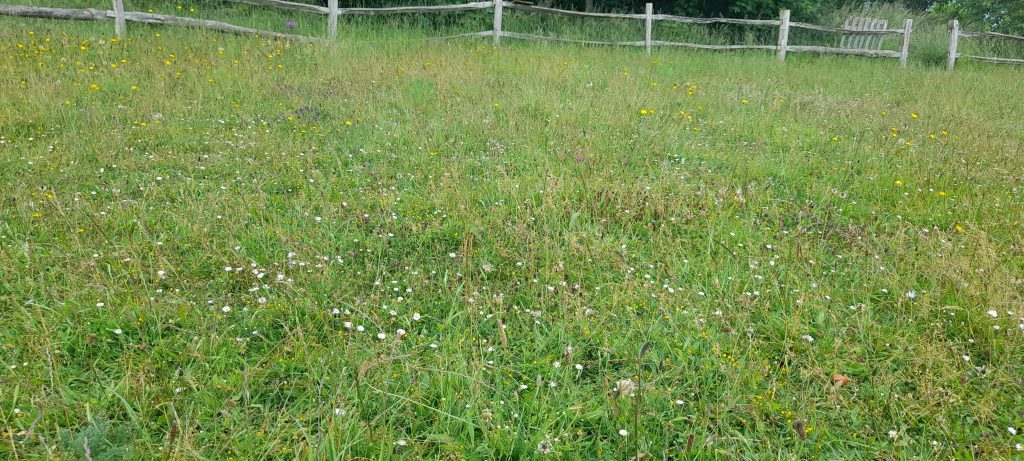
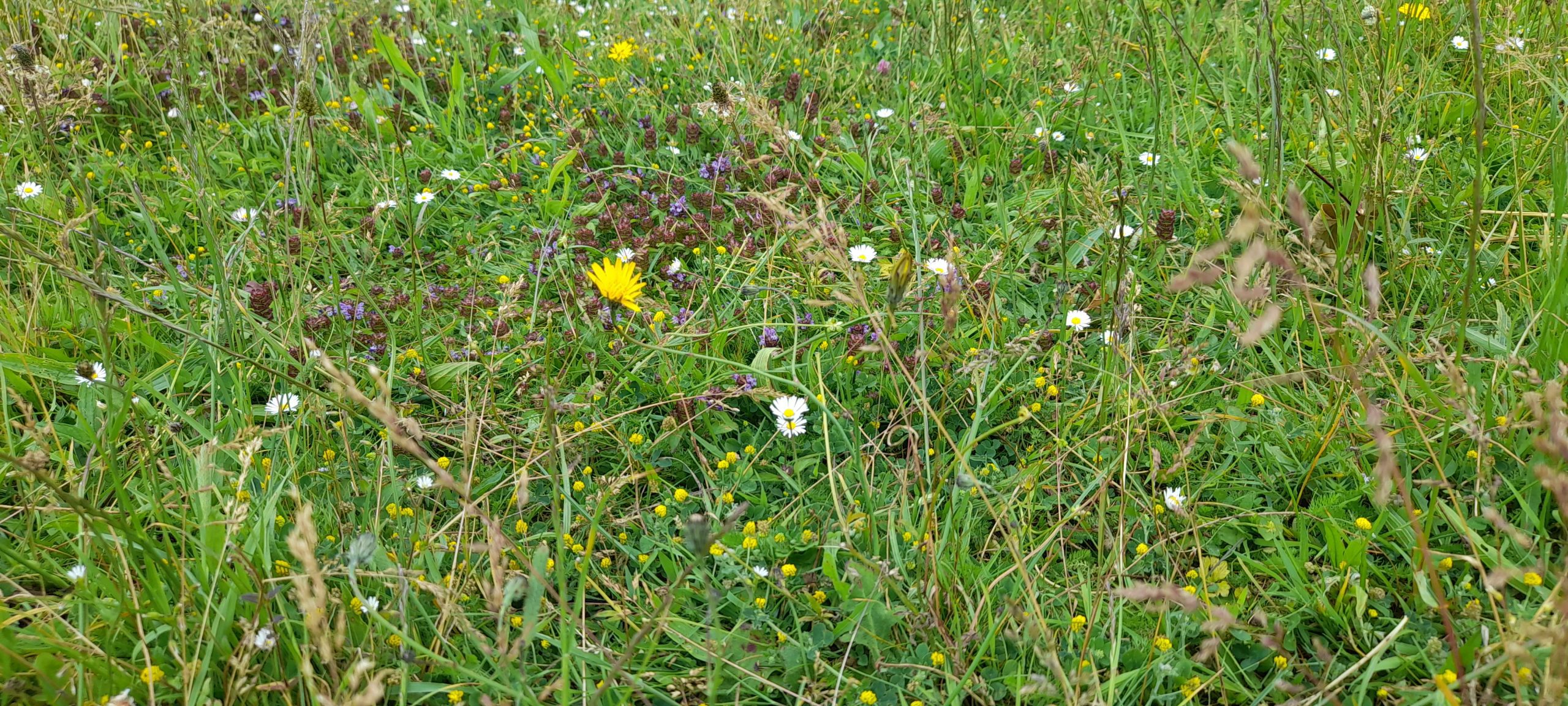
Much more achievable is a perennial meadow, and there are several ways to accomplish this. We’d recommend watching Adrian’s webinar on YouTube – link at the end of this section as a good place to start. In the meantime, take a look at the photos below of a meadow area at Cradle Hill School in Seaford – simply created by allowing the grass to grow on their chalky soil.
How to get started – a basic method
Before you start, take a look at what is already growing in your grassy area. Most turf – unless it’s newly laid, or has been intensively treated with weed-killers – contains a range of native wildflowers that just need a bit of encouragement. They might not be as colourful as the cornfield annuals, but they are just as good for pollinators and insects. For example, the very common Bird’s Foot Trefoil is host to the beautiful 6 Spot Burnet Moth.
Allow the grass to grow and cut once a year in late summer or early autumn. You can also do an early cut in spring, just as the grass starts to grow, to remove some of the green, lush growth. You may need to do some experimentation with cutting times, but this process is often enough to create an attractive, and biodiverse-rich meadow within a year or two.
Adding wildflower seed
You can also add wildflower seed to your perennial meadow. Adrian Thomas covers how to do this in his webinar, but in essence, you cut and scarify the area in late summer/early autumn before seeding with wildflowers.
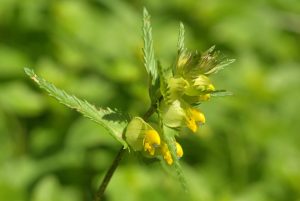
Yellow rattle: this is an amazing native plant which reduces the vigour of grass, allowing more wildflowers to grow. It’s an annual, so you’ll need to resow it every year, or manage your meadow so the yellow rattle is naturally allowed to reproduce. Yellow rattle can be temperamental, so if it doesn’t work first time, try again. One it gets going, it produces a lot of seed which can be resown or shared with others.
Other wildflowers: you can either buy a mix of wildflower seeds, or choose particular species and mix them up yourself. Some people have been successful in using a mix of annual and perennial wildflowers – this means that you’ll get some colour the first year from the annuals, while the perennials are becoming established. Buy your seed from a reputable source, and ideally buy from a local supplier, who will have seed from our region. Unless you’re starting with bare soil you won’t need to include any grass seeds in your seed mix. Remember to consider your soil type as well.
Some key points to consider:
Why grass always wins: the most important thing to understand when creating a meadow is that grasses will always win against wildflowers. Grasses are successful plants and they know what they’re doing! If you try to simply throw wildflower seed into a patch of turf it won’t stand a chance. The wildflowers will always be outcompeted by the grasses. A lot of the work in creating a meadow is about reducing the vigour of the grasses.
Soil: In Sussex, we are lucky to have areas of chalk download – one of the most precious ecosystems in the world – sometimes referred to as ‘mini rainforest’. Many of our towns – or parts of our towns – sit on the same soil, and you may find that your green space already contains a range of amazing species just waiting to pop up. (Seaford has colonies of bee orchids and pyramidal orchids in verges and green spaces). Chalk soil is naturally poor, and excellent for wildflowers. However, it’s still possible to make a meadow on heavier, richer soils. You may find you need to cut the grass earlier in the year, it will tend to flop, and you’ll get a different range of wildflower species.
Sun and shade: You’ll have more success creating a meadow in sunny areas rather than shady areas.
The ‘managed edge’: In public areas make your meadow look intended – this is known as a ‘managed edge’. This might mean cutting paths through the meadow, or cutting in an attractive shape with curved or straight lines.
Removal of cuttings: It’s essential to remove the cuttings once the grass has been cut. This is one of the key factors in creating a successful meadow, because wildflowers need a poor soil, and leaving the cuttings means they effectively rot down, enriching the soil. Cutting and collecting, if done commercially, is more expensive than cutting and dropping, and this can be a barrier to persuading councils or other organisations to create meadows. However, because the process only needs to be done once a year, the overall cost is neutral. Over time, evidence has shown that costs reduce as the grass becomes less vigorous.
Love your long grass: even without wildflowers, long grass is beneficial and beautiful. Up to 50 times more insects have been found in long grass, as compared to short grass; the larger root systems trap and store more carbon; less fossil fuel is used in maintaining an area of long grass than short grass.