Saving Water in Raised Beds & Containers
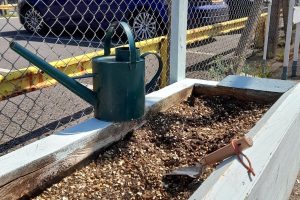
In this guide, Dan Ori MHort explains how to save water in raised beds and containers. This content was presented as part of a workshop at Seaford Community Garden, and supported by the Ouse Valley Climate Action Fund.
”Dan’s Mix’– a water-retentive compost mix for raised beds and containers
‘Dan’s Mix’ was developed and tested by Dan Ori to provide a water-retentive planting mix without the need for peat. It builds on research carried out by the Square Foot Gardening Foundation. The mix can reduce watering requirements by up to 95%. It also maintains its structure far longer than compost alone, so it doesn’t need to be refreshed each year and can last for up to 10 years before needing replacement. Simply add some additional fertiliser in spring.
‘Dan’s Mix’ consists of:
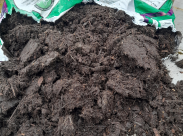
One third peat-free compost
Use either home made or commercially produced peat-free compost. (For more information, visit our composting page). We like B&Q’s peat-free compost in terms of cost, quality and environmental sustainability. (Please note: we receive no commercial sponsorship so recommendations are based simply on our views and experience!)
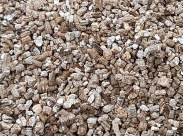
One third vermiculite
A mineral that expands when heated, resembling small golden-brown flakes. It can absorb up to four times its weight in water and also helps with temperature regulation. It has a cost, and environmental impact, but this is balanced by the reduced water needs and more productive plants. It’s available in different grades: small, medium or large. We’ve recently been testing the large-size flakes, which can be cheaper, and so far have produced good results. We bought ours here.
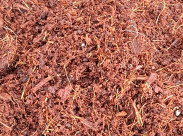
One third coir
This is a by-product – a natural fibre extracted from the husk of coconuts. It improves soil structure, aeration, and moisture retention. It has no nutritional value and should be neutral pH. Always buy from a reputable supplier to ensure it’s clean and any salinity has been removed. There is an environmental impact from the shipping of coir, but it is lightweight and is a natural waste product. It’s widely available so shop around, but we bought ours here.
If you’d like to see how ‘Dan’s Mix’ is working in practice, please visit Seaford Station, where you’ll see our raised beds filled with the Mix and planted up with drought-tolerant plants.
Dampen the components and mix together to fill your container or raised bed. If you’ve bought coir bricks, these need to be rehydrated. Wear a mask when handling vermiculite and dampen it well before using.